
Auto Maintenance
10% OFF
ALL PREMIUM AGM BATTERIES


Offer expires 08/17/26
View DetailsText & Save · Get an extra $10 off your next service* tap to join or Text JOIN to 41804 for exclusive text-only deals!
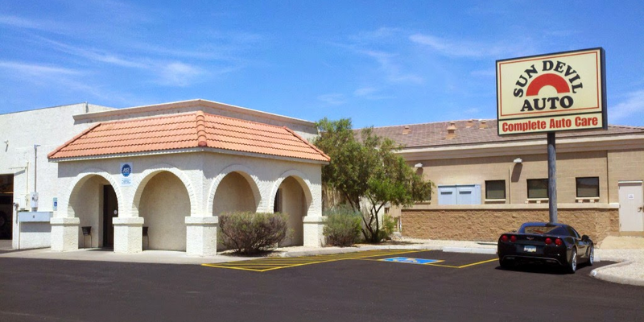
Store #1224
13905 W CAMINO DEL SOL, Sun City West, AZ 85375
Get Directions| Sunday | Closed | |
| Monday | 7:30 am – 6:00 pm | |
| Tuesday | 7:30 am – 6:00 pm | |
| Wednesday | 7:30 am – 6:00 pm | |
| Thursday | 7:30 am – 6:00 pm | |
| Friday | 7:30 am – 6:00 pm | Open now |
| Saturday | 7:30 am – 5:00 pm |
Offer expires 08/17/26
View Details
Offer expires 08/17/26
View DetailsAt Sun Auto Tire & Service in Sun City West, AZ, we provide expert auto repair with a friendly, neighborhood feel. Our Sun or ASE-certified technicians are equipped to handle everything from routine maintenance to complex repairs, all with precision, care, and clear communication you can trust.
A clear vehicle status report plus expert technician insights, so you can plan ahead with confidence.
Learn More24-month/24,000-mile nationwide limited warranty on qualifying repairs.
Learn More
We've put together the most important information on tires, vehicle maintenance, repairs, warranties, and more to help you drive with confidence.
Extreme temperatures in Phoenix affect battery life by leading to accelerated degradation and failure, which can leave a driver stranded. To mitigate this risk, it is essential to have regular battery checks and maintenance performed. Testing the battery’s ability to hold a charge and provide consistent voltage is necessary to ensure the vehicle remains reliable. A strong battery is required to consistently start the engine despite the extreme heat that is characteristic of the Phoenix area.
Extreme heat in Sun City West affects battery health by accelerating chemical degradation, often leading to premature failure within just two or three years. To mitigate this risk, it is essential to have the battery checked regularly using professional diagnostics. These inspections verify that the battery is still capable of holding a charge despite the challenging local climate. Prioritizing electrical testing is the most effective way to ensure the battery can handle the intense Arizona sun.
Scottsdale’s climate influences battery reliability by significantly accelerating the chemical degradation of the internal cells. This leads to premature battery failure and a reduced lifespan compared to vehicles driven in cooler regions. To mitigate this risk and ensure a vehicle remains reliable, the battery should be checked and serviced regularly. A variety of maintenance solutions, including battery diagnostics and terminal cleaning, can help keep the vehicle running smoothly in the heat.
Extreme heat in Glendale affects performance by significantly degrading the automotive battery, leading to premature failure and a reduced lifespan. It also stresses cooling systems, tires, and various rubber and plastic components under the hood. To combat these issues, it is crucial to have regular maintenance such as tire inspections and cooling system flushes performed. Ensuring that all heat-sensitive parts are in good condition is the only way to maintain reliable performance.
Extreme heat in Mesa affects battery life because high temperatures lead to quicker evaporation of battery fluid and promote internal chemical reactions that cause failure. To combat this, regular battery inspections and replacements are crucial for maintaining reliability in the harsh Arizona climate. Keeping the electrical system in peak condition involves monitoring the battery’s state of health and ensuring that the internal grids have not been compromised by high-heat oxidation.
Extreme heat in Queen Creek affects battery and overall health by accelerating the degradation of the cells, leading to premature failure and reduced cranking power. This stress also impacts other components like tires, fluids, and AC systems. To combat these issues, it is essential to have regular maintenance performed. Checking the health of the battery and the integrity of the charging system ensures the vehicle continues to run smoothly even when the desert heat is at its peak.
When a car is parked in the Scottsdale sun, the battery cells experience accelerated degradation and failure due to the extreme internal heat buildup. This significantly reduces the lifespan of the battery and can lead to sudden failure. To combat this issue, it is essential to have regular battery checks and maintenance performed to spot internal damage early. Thorough battery checks ensure the electrical system is functioning correctly and the vehicle remains reliable in the heat.
Extreme heat in Gilbert affects battery health because prolonged periods of intense heat cause the electrolyte inside the battery to evaporate faster and increase internal chemical reactions. This results in premature battery failure and reduced cranking power. To combat this risk, it is essential to have regular battery inspections and maintenance performed. Thorough battery checks ensure that the electrical system is functioning correctly and that the vehicle remains reliable on the road.
Extreme heat in Cave Creek affects battery health by leading to accelerated degradation and sudden failure, which can often leave a driver stranded when least expected. To mitigate this risk, it is essential to perform regular battery checks and verify the integrity of the charging system. Testing the battery for its ability to provide high cranking amps is the only way to ensure the vehicle remains reliable. A strong battery is necessary to start the engine consistently in the Phoenix area.
Extreme heat in Mesa affects vehicle battery health by causing the internal liquid solution to evaporate and the lead components to break down over time. This intense and prolonged exposure accelerates chemical degradation, leading to premature failure and a significantly reduced lifespan for the unit. To mitigate this issue, a battery must be regularly tested for internal resistance and fluid levels to identify when it is reaching the end of its useful life in the desert heat.
Scottsdale summers lead to rapid chemical degradation within vehicle batteries, causing premature failure and a shorter lifespan for standard units. This heat also puts additional stress on the cooling systems and tire pressure levels as the air inside the tires expands. To combat these issues, it is essential to have the battery and other critical systems regularly checked for signs of wear. Comprehensive auto repair diagnostics can identify if a battery is on the verge of failure due to the extreme desert environment.
In Surprise, the combination of battery heat and AC strain can lead to total electrical failure as components work at their absolute limit. The high temperature reduces the battery’s capacity while the air conditioning increases the demand for power, creating a situation where the alternator may struggle to keep up. Protecting a vehicle from this stress involves inspecting both the cooling system and the battery health to ensure the car remains in peak operating condition throughout the hottest parts of the summer season.
Extending battery life in Mesa requires keeping the terminals clean and the internal fluid levels stable despite the intense summer heat. High temperatures can cause the battery terminals to oxidize, creating a layer of film that prevents the car from starting. Cooling system flushes are also necessary to prevent the entire engine bay from reaching temperatures that accelerate the aging of the car’s electrical system. Keeping chemical reactions balanced is the only way to ensure optimal long-term battery performance.
Heat-related failure often starts with internal corrosion that is invisible from the outside, slowly sapping a vehicle’s cranking power. As the heat builds up under the hood, the internal grids that hold the battery’s energy begin to thin and crack. Advanced diagnostics can see inside the battery’s health by measuring internal resistance and voltage drop. Identifying weak cells before they fail is the most effective way to stay safe during the summer months when the desert sun is at its most punishing.
Phoenix heat targets the battery and the cooling hoses simultaneously, causing rubber components to fail and electrolytes to evaporate. The high temperature under the hood can reach nearly 200 degrees while driving, which is far beyond the ideal operating temperature for a lead-acid battery. This causes the internal components to break down at an exponential rate. Ensuring a vehicle is fully prepared for the summer involves checking both the cooling system and the battery to manage these intense and prolonged demands.
When Gilbert temperatures soar, the internal components of a battery corrode at an accelerated rate, significantly shortening its lifespan. High temperatures cause the electrolyte solution to break down, which leads to a buildup of lead sulfate on the battery plates. This sulfate prevents the battery from accepting a charge from the alternator, leading to a slow discharge and eventual failure. Keeping the electrical system in top shape involves ensuring that high heat does not lead to this irreversible chemical damage.
The chemical degradation of automotive batteries in Chandler is nearly twice as fast as in cooler climates due to the intense summer sun and high ambient temperatures. This occurs because heat is a catalyst for chemical reactions; it causes the active materials on the battery plates to shed and fall to the bottom of the case. Once this material is lost, the battery can no longer hold the same amount of power. Testing the battery’s state of health is necessary to ensure it still has enough cranking power for hot afternoons.
In Goodyear, extreme heat increases internal resistance within the battery, making it much harder for the car to start. This resistance occurs because the heat has altered the internal chemistry, reducing the battery’s ability to move electrons quickly. This often results in a slow crank or a clicking sound when trying to start the car. Differentiating between a failing battery and a bad starter requires professional diagnostic equipment that can measure the battery’s cold-cranking amps and overall state of health.
Gilbert’s heat can cause a battery to fail without any warning lights on the dashboard by rapidly evaporating electrolyte and stressing internal components. A battery may seem fine one day and be completely dead the next because the heat has triggered a sudden internal short circuit. A pre-summer stress test is the most effective way to identify weak cells that are likely to fail when the temperatures rise. Monitoring the electrical system ensures the vehicle is prepared for the intense Arizona summer.
Triple-digit heat in Glendale creates high under-hood pressure that can vent battery gases and significantly shorten the lifespan of the electrical system. This process leads to the loss of the water and acid mixture needed to store energy. When a battery loses its fluids, it can no longer provide the consistent voltage required by a modern vehicle’s computers. Regular testing is required to ensure the battery still has enough health to handle the extreme electrical demands of an Arizona summer.
Sun Lakes residents often face battery failure due to the evaporation of electrolyte and faster chemical reactions during the peak of July and August. When the liquid inside a battery drops below a certain level, the chemistry changes, making the battery much less efficient at storing and releasing power. This often leads to a situation where a battery that seems healthy in the morning will fail by the afternoon, as the heat has permanently damaged the internal cells and reduced their cranking capacity.
Fountain Hills’ intense UV rays and summer heat lead to premature battery discharge and a significantly reduced lifespan for a vehicle’s electrical system. This occurs because the heat causes the alternator to work harder to maintain a charge in a battery that is struggling with internal fluid loss. If the battery is damaged by the heat, it can place an extra load on the charging system, which may eventually lead to a failure of the alternator or other sensitive electronic sensors in the engine bay.
Extreme heat makes the rubber components in an engine, such as the serpentine belt and cooling hoses, brittle and prone to cracking. Simultaneously, the high temperatures drain the battery’s reserve capacity by accelerating internal chemical breakdown. This dual threat means that the cooling system and the electrical system are both under heavy stress at the same time. To avoid a major mechanical failure, it is important to ensure that these heat-sensitive components are inspected for wear before the summer peaks.
Intense Chandler heat causes rapid battery fluid breakdown and puts the engine radiator on overdrive. When the liquid inside a battery evaporates, it leaves the lead plates vulnerable to the high-heat environment, which can lead to warping and internal shorts. This heat also puts stress on the cooling system, as the cooling fans must run more frequently to keep the engine bay from reaching temperatures that could melt or damage sensitive electrical sensors and battery components.
Tempe heat does more than just drain a battery’s power; it physically degrades the internal lead plates and triggers rapid chemical reactions that lead to total structural failure of the cells. High temperatures cause the battery’s internal resistance to rise, making it much harder for the vehicle to start even if the battery is relatively new. This environment requires a battery with a high heat rating to ensure the electrical system remains resilient when the Arizona pavement is at its hottest.
To ensure peak performance during a Scottsdale heatwave, it is necessary to address the accelerated battery degradation caused by fluid evaporation and internal corrosion. This can significantly reduce cranking power and lead to premature failure when you least expect it. Providing a vehicle with a comprehensive battery check ensures it remains reliable in the heat. It is important to verify that the battery is holding a full charge and the terminals are free of any heat-induced oxidation.
You should service your vehicle every 5,000 to 7,500 miles or every 6 months, whichever comes first, for routine maintenance like oil changes and inspections. Always check your owner’s manual, as some vehicles and driving conditions may require more frequent attention to keep everything running smoothly and safely.
Any of our friendly, neighborhood locations can help you determine the schedule that’s best for your car. In many cases, the maintenance schedule is determined by the manufacturer for optimal service life for your vehicle; this can be found in the owner’s manual.
Appointments are recommended, but walk-ins are always welcome.
Absolutely. We provide clear estimates and only complete the work you approve.
It could be something simple or serious. We recommend a diagnostic scan to find the cause.
After each oil change at Sun Devil Auto, our technician will place a reminder sticker in the upper left-hand corner of your windshield. For added convenience, we can also send you a service reminder when it’s time for your next appointment. To enroll in this program, ask your Service Advisor for details.”
No. In fact, it is against the law for a manufacturer to dishonor their warranty just because the vehicle was serviced elsewhere. As long as the service is performed by capable car mechanics like the ones at your friendly neighborhood Sun Devil Auto, your warranty is valid.
